What is Orton-Gillingham?
Orton-Gillingham (OG) is a structured, explicit, and multi-sensory approach to teaching reading, spelling, and written language. It is especially beneficial for students who struggle with reading, including students with dyslexia and other language-based learning differences, because it directly and systematically teaches the connections between sounds, letters, syllables, words, and language patterns.
Rather than asking students to memorize words or guess from pictures and context, Orton-Gillingham helps students understand how and why words work. Instruction is individualized and moves at the student’s pace, allowing skills to be practiced, reinforced, and built upon over time.
The Key Components of Orton-Gillingham
Structured & Sequential
Skills are taught in a carefully organized sequence, moving from simple concepts to more complex ones. Each new skill builds on previously learned knowledge.
Explicit & Direct
Students are directly taught the rules, patterns, and structures of the English language rather than being expected to discover them on their own.
Multisensory
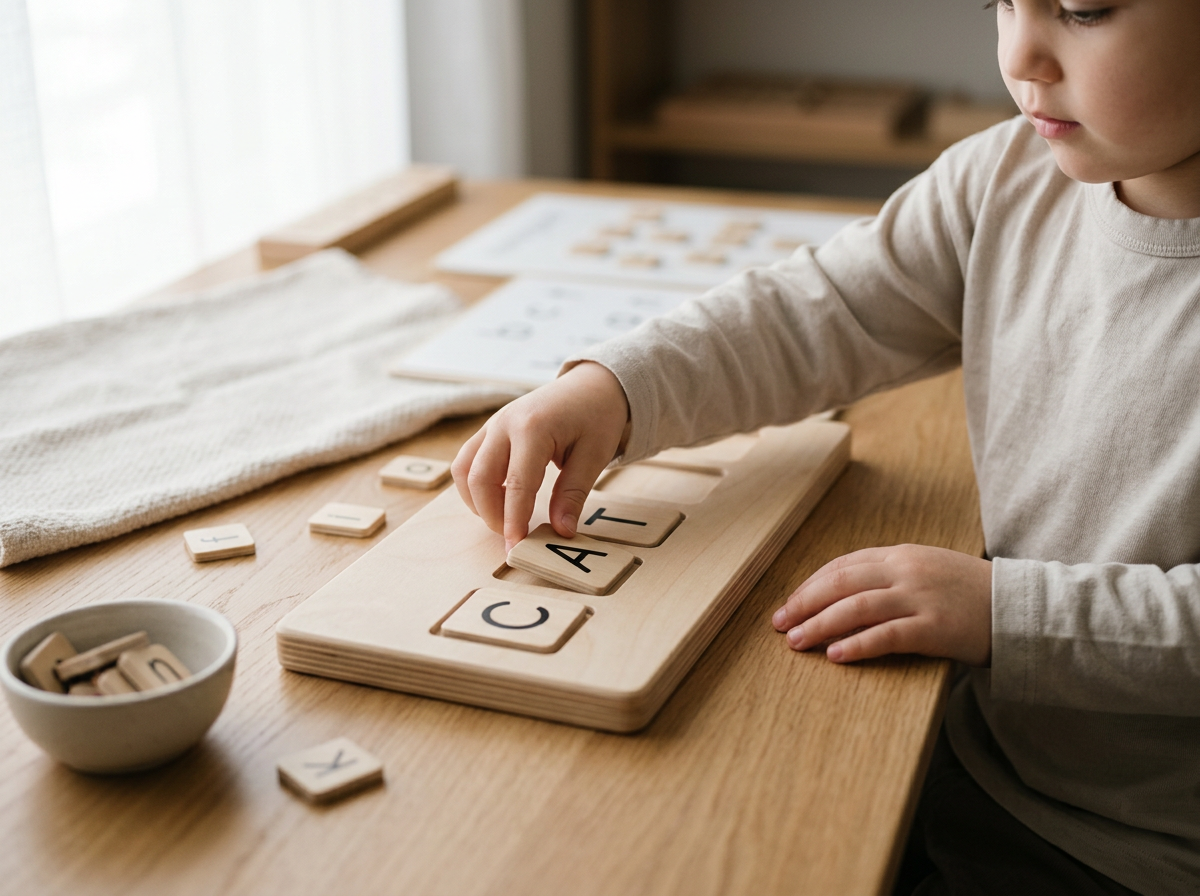
Students engage multiple senses—such as seeing, hearing, saying, and writing—to strengthen learning and create stronger connections between sounds and symbols.
Systematic & Cumulative
Previously taught skills are continually reviewed and connected to new learning. This repetition helps students develop automaticity and retain what they have learned.
Diagnostic & Prescriptive
Instruction begins with understanding what a student knows and where they need support. Lessons are then tailored to the individual student and adjusted as they progress.
Language-Based
OG instruction goes beyond phonics to build a deeper understanding of the English language, including phonology, phonics, syllable types, morphology, spelling, vocabulary, and language structure.
For students who have experienced frustration with reading, this approach can provide something incredibly important: a clear path forward. With explicit instruction, meaningful practice, and individualized support, students can develop stronger literacy skills while growing their confidence as readers.